Choosing a vegetarian diet is not just about removing meat from your plate. It is about learning how to nourish your body in a balanced, sustainable way.
There are different types of vegetarian diets, and each one comes with its own benefits and challenges. A vegan diet avoids all animal products, including meat, fish, dairy, and eggs. A lacto-ovo vegetarian diet includes plant-based foods, dairy products, and eggs, while avoiding meat, poultry, and fish.
For many people, lacto-ovo vegetarianism can be an easier place to start. Eggs and dairy can provide useful nutrients such as protein, calcium, vitamin B12, and vitamin D, which may be harder to get from a fully plant-based diet without careful planning.
That does not mean a vegan diet is unhealthy. A well-planned vegan diet can also support good health. However, it usually requires more attention to key nutrients, especially vitamin B12, iron, calcium, zinc, iodine, vitamin D, and omega-3 fatty acids.
A balanced vegetarian diet may support weight management, heart health, digestion, and overall wellness. Plant-based meals are often rich in fiber, vitamins, minerals, and antioxidants. These nutrients can help you feel fuller for longer, support gut health, and encourage healthier eating patterns.
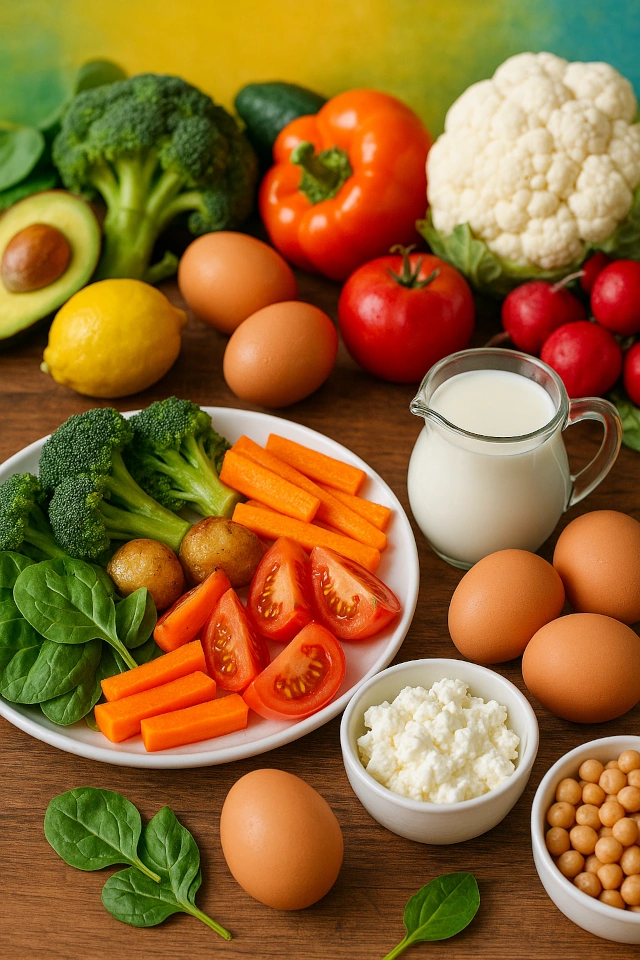
But the quality of the diet matters. A vegetarian diet built around vegetables, fruits, legumes, whole grains, nuts, seeds, eggs, and dairy can be very different from one based mostly on refined carbs, sweets, and processed foods.
If you are thinking about becoming vegetarian, start with simple, realistic changes:
- Add more beans, lentils, tofu, eggs, yogurt, and nuts for protein
- Choose whole grains instead of refined grains
- Include colorful vegetables and fruits every day
- Pay attention to vitamin B12, iron, calcium, and vitamin D
- Consider professional guidance if you are fully vegan, pregnant, very active, or managing a health condition
The best vegetarian diet is not necessarily the strictest one. It is the one that helps you feel energized, supports your goals, and gives your body the nutrients it needs.
Healthy eating should feel supportive, not stressful. Build a routine you can enjoy, and let every meal become one more step toward a stronger, healthier you.