Carbohydrates often get blamed for weight gain, but the truth is not that simple. Your body uses carbohydrates as an important source of energy, especially during exercise, daily movement, and high-intensity activity.
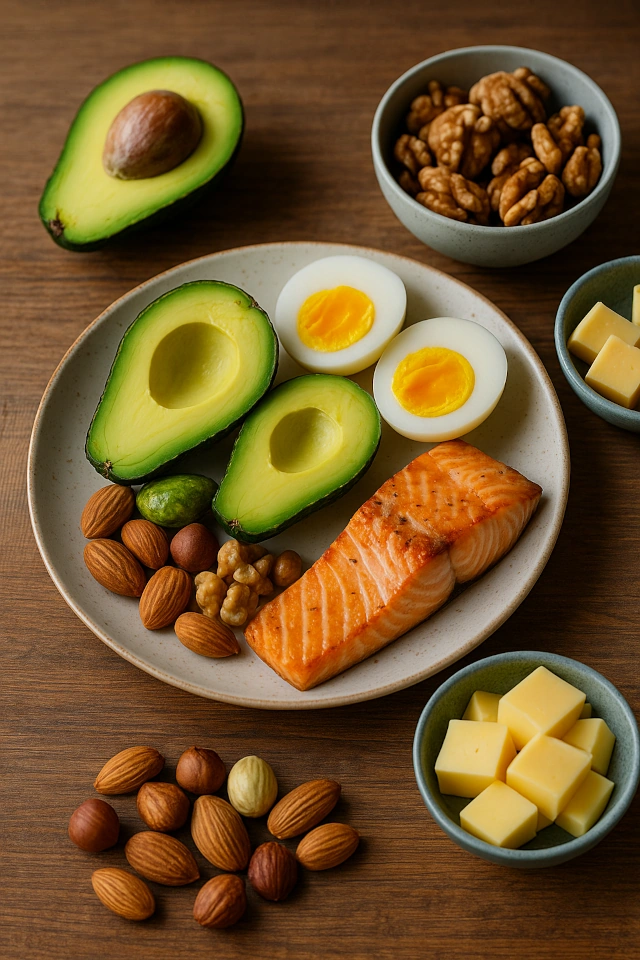
A ketogenic diet is a very low-carbohydrate, high-fat eating plan. It was originally used in medical settings for specific conditions such as epilepsy, but today many people try it for weight loss.
For some people, reducing carbohydrates may lead to short-term weight loss. This can happen partly because the body stores less water when carbohydrate intake drops. Some people also feel less hungry when they eat more protein and fat.
But very low-carb diets are not always easy to follow. When carbohydrate intake drops too much, some people may experience fatigue, headache, weakness, constipation, muscle cramps, or low energy during workouts. This can make the diet especially challenging for active individuals, athletes, or anyone trying to build strength and improve performance.
That does not mean all low-carb diets are bad. The problem is usually not “eating fewer carbs.” The problem is going too extreme, cutting out too many nutritious foods, or following a strict diet without understanding your body’s needs.
A smarter approach is to focus on the quality and timing of carbohydrates. Whole-food carbohydrates such as oats, brown rice, potatoes, beans, lentils, fruits, and vegetables can provide fiber, vitamins, minerals, and steady energy. These foods can still fit into a healthy weight-management plan.
If your goal is fat loss, you do not need to remove carbohydrates completely. Many people do better with a balanced plan that includes enough protein, healthy fats, high-fiber carbs, and regular physical activity.
Before trying a strict ketogenic diet, especially if you exercise often, have diabetes, take medication, are pregnant, or have any medical condition, it is best to speak with a healthcare professional or registered dietitian.
The best diet is not the one that sounds the most extreme. It is the one that supports your energy, protects your health, and helps you stay consistent.
Healthy progress should make your life stronger, not smaller.