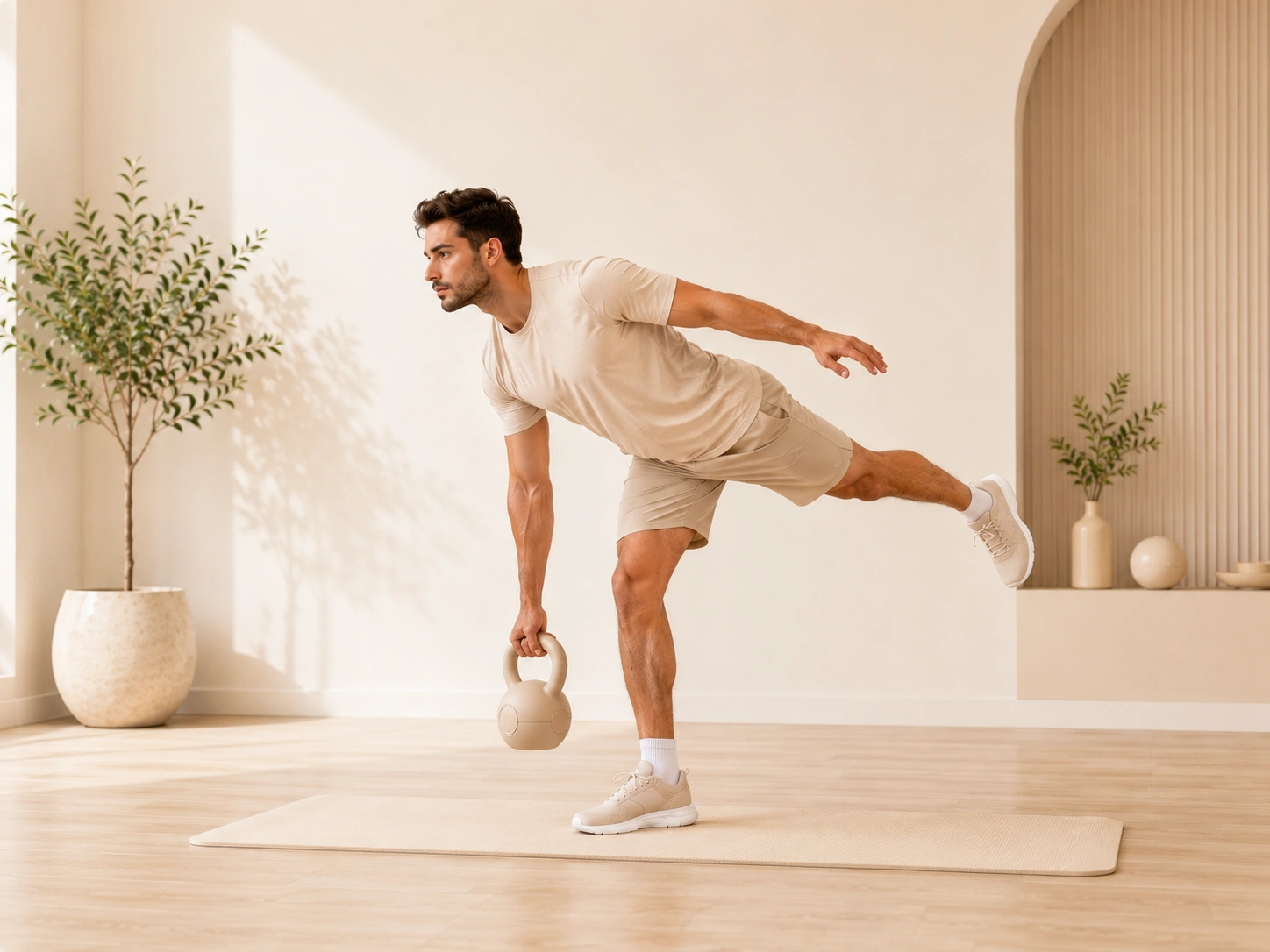
Strength is not always perfectly balanced. Most people have one side of the body that feels stronger, more stable, or easier to control. You may notice it during lunges, shoulder presses, rows, or even simple balance exercises.
That is where unilateral training comes in.
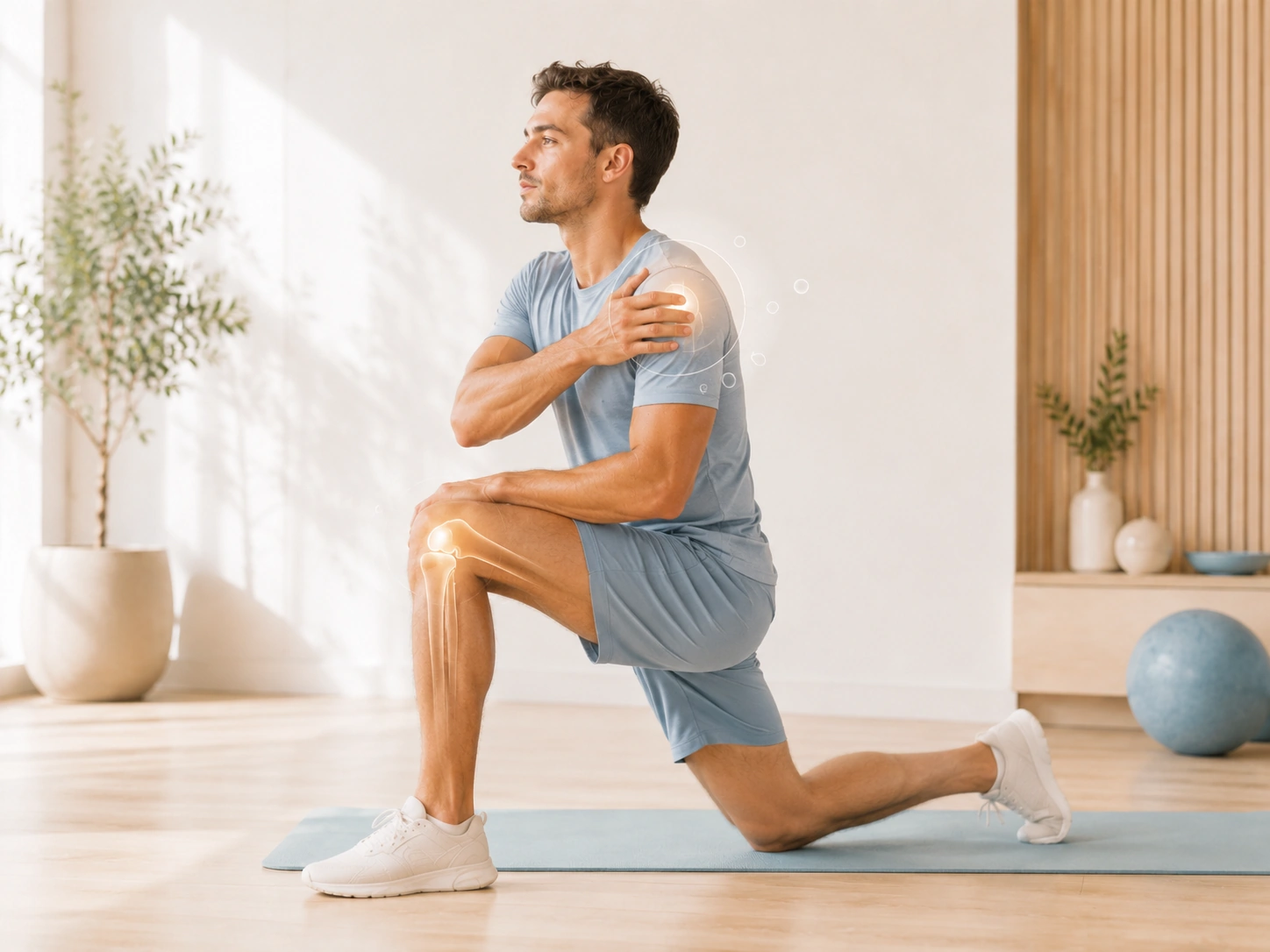
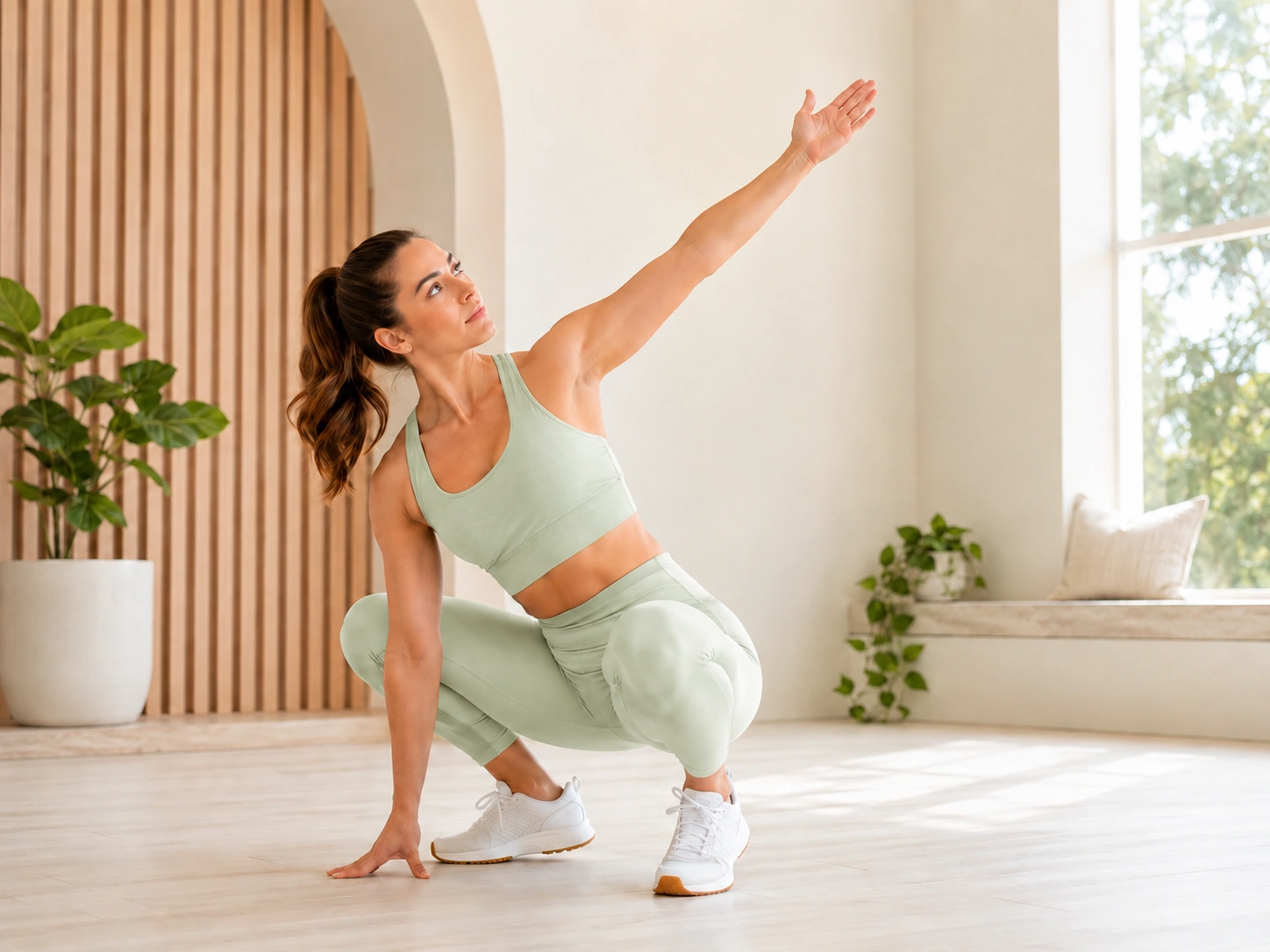
Unilateral training means working one side of the body at a time. Examples include single-leg deadlifts, single-arm shoulder presses, step-ups, lunges, and one-arm rows. These exercises may look simple, but they can challenge your body in a powerful way.
When you train one side at a time, your core has to work harder to keep you stable. This helps improve balance, body control, and coordination. A stronger core can also support better posture and may reduce the risk of injury during workouts and daily movement.
Unilateral exercises are also useful because they help reveal strength differences between your left and right sides. In some traditional exercises, like barbell movements, the stronger side can sometimes do more of the work without you noticing. Over time, this may increase muscle imbalances.
By training each side separately, you give both sides a fair chance to become stronger. Your weaker side has to work on its own, and your stronger side cannot take over.
This kind of training can be especially helpful for:
- Improving balance and stability
- Building more even strength
- Strengthening the core
- Supporting better movement control
- Reducing left-to-right muscle imbalances
- Making everyday movements feel smoother and stronger
You do not need to replace all your workouts with unilateral exercises. Even adding a few movements, such as split squats, single-arm rows, or step-ups, can make your training more balanced and effective.
Small differences between sides are normal. The goal is not perfect symmetry, but better control, better awareness, and stronger movement.
Training one side at a time can help your whole body move better together.