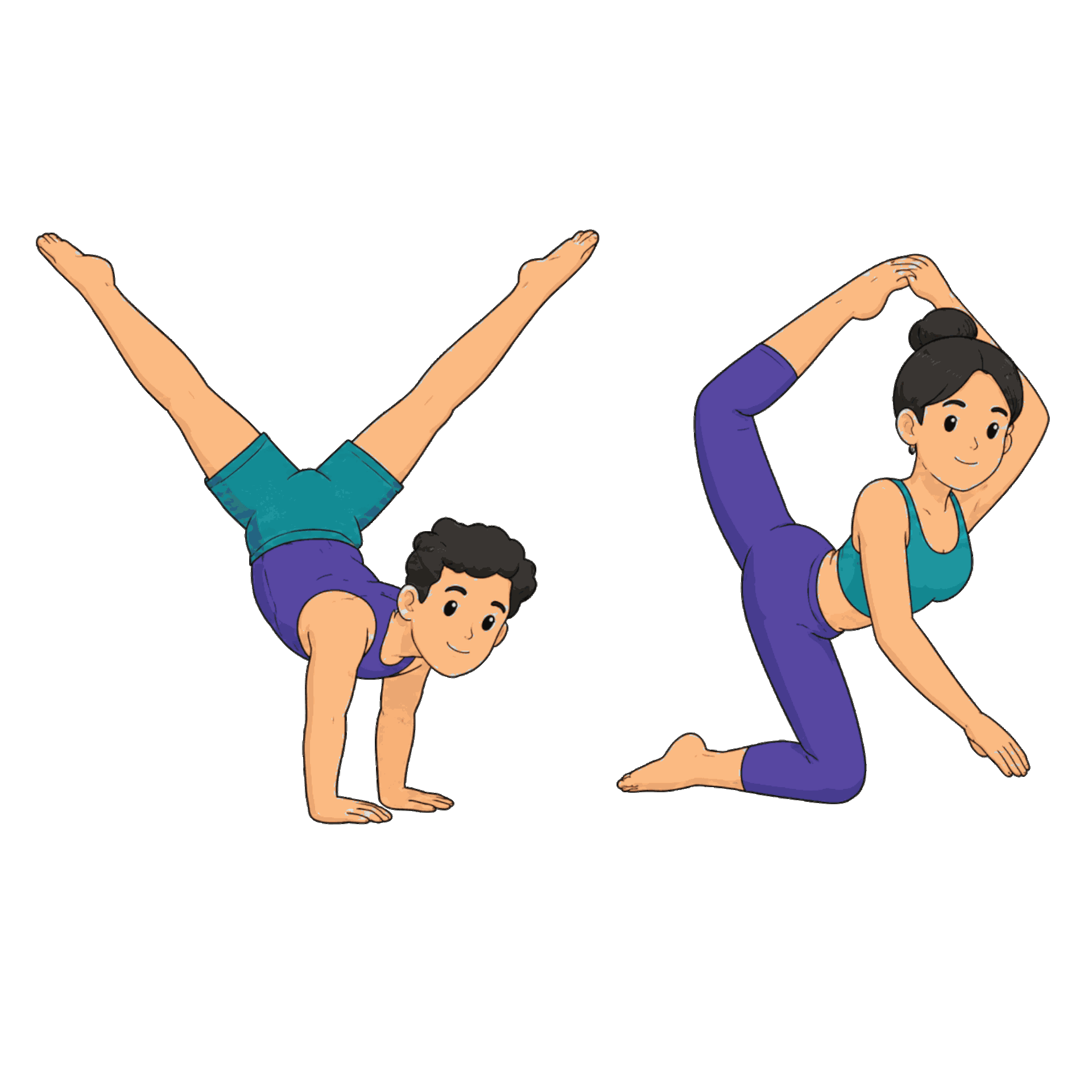

Have you ever seen someone touch their toes with ease but struggle to control their movement during an exercise? That's because flexibility and mobility are not the same thing.
Flexibility is your muscles' ability to stretch. Mobility, on the other hand, is your ability to actively move a joint through its full range of motion with strength and control.
Think of it this way: flexibility is having access to a range of motion, while mobility is being able to use that range of motion effectively.
Good mobility can make a noticeable difference in the way you move, exercise, and even perform everyday activities. When your joints move more freely and efficiently, exercises often feel smoother and more comfortable.
Mobility training can also help:
- Improve movement quality
- Support better exercise technique
- Enhance balance and coordination
- Reduce unnecessary stress on joints
- Improve overall athletic performance
- Help you move with greater confidence and control
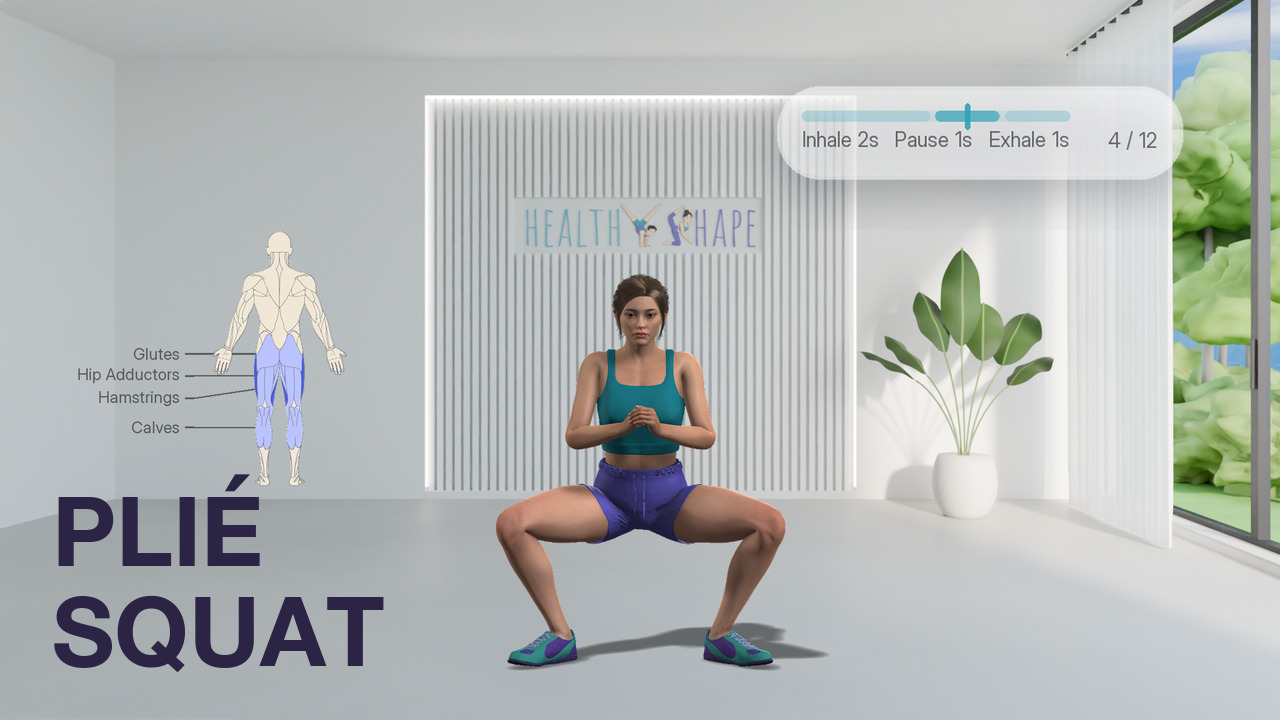
Take the squat as an example. Limited mobility in the hips, ankles, or thoracic spine can make it difficult to reach proper depth while maintaining good form. Better mobility allows you to move through a larger range of motion, helping you perform exercises more effectively.
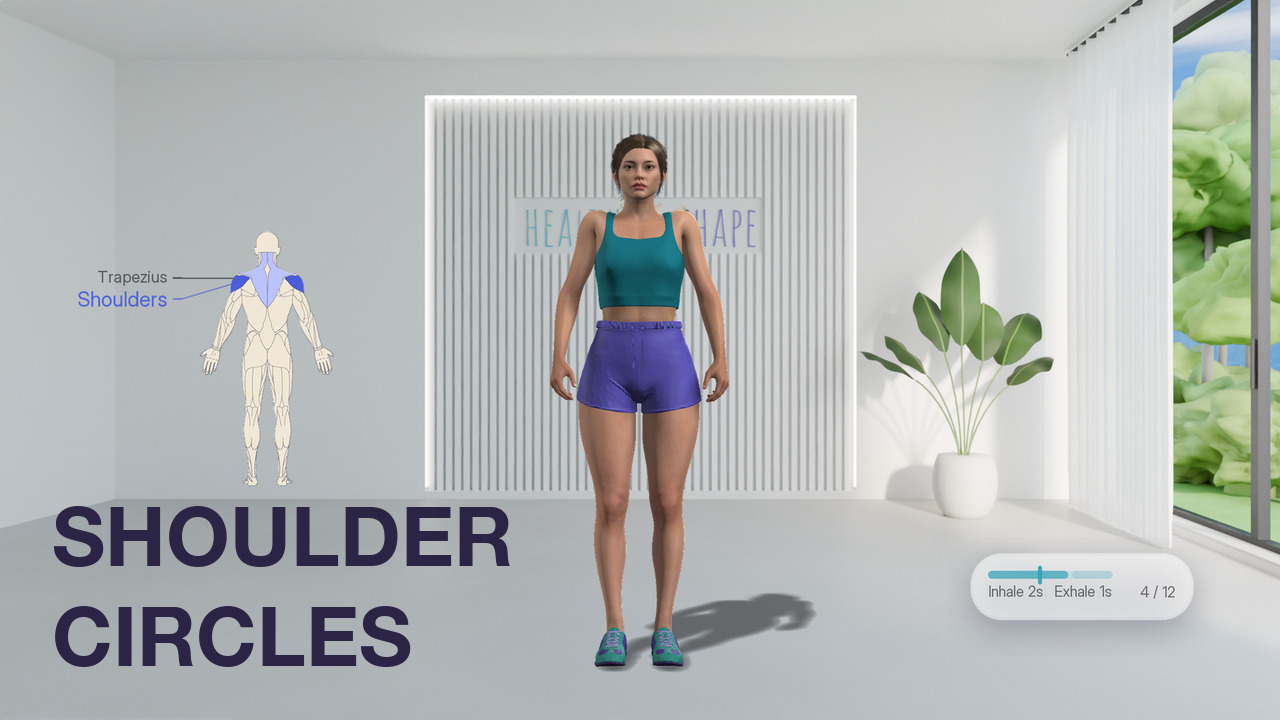
The good news is that mobility can be improved with consistent practice. Simple exercises such as controlled joint rotations, deep squat holds, hip mobility drills, and shoulder mobility movements can gradually help your joints move more comfortably.
Many people focus only on strength or cardio training, but mobility is an important part of the foundation. Strong muscles are valuable, but they work best when the joints underneath them can move efficiently.
You do not need long mobility sessions to see benefits. Just a few minutes of focused mobility work several times a week can help you move better, train better, and feel better.
Movement is not only about how strong you are. It is also about how well you can use that strength throughout your full range of motion.